



 America Have Created an Energy Crisis, The World Will Feel the Pinch
(Yicai Global) March 10 -- In 1973 a conflict broke out in the Middle East between Israel and Egypt, which became known as the “Yom Kippur War”- The Wealthy Gulf states, including Saudi Arabia, Kuwait, and the United Arab Emirates, critical of western support for Israel in the conflict, subsequently proclaimed an embargo which set off a 300% rise in oil prices and created a global energy crisis. The political and economic consequences on the western world were huge, and the crisis is understood by historians as one of the key factors in the shift from Keynesian and interventionist economics to Neoliberalism in the decade that followed.
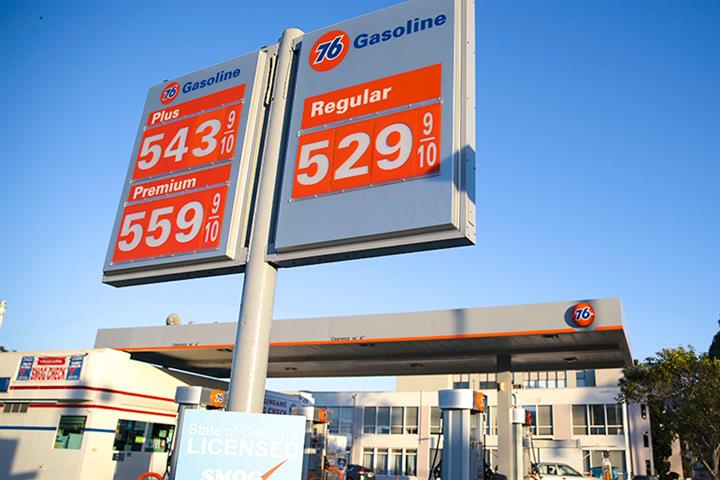
Nearly 50 years later, the world faces another conflict-imposed energy crisis, albeit one not as dramatic. The conflict in Ukraine and America’s decision to ban imports from Russia, the world’s largest exporter of oil, has led to an eyewatering surge in prices towards USD130 a barrel. The potential for prices to grow even higher is a possibility if the situation deteriorates, with Russian officials had warned of prices up to USD300 if a total embargo is initiated. This couples with simultaneously surging gas prices, commodity costs, and existing high rates of inflation throughout the west.
It is evident the United States has little answer to the situation they have created. The Wall Street Journal reported on Tuesday night that President Biden attempted to call the leaders of the United Arab Emirates and Saudi Arabia to ask them to increase supply but they “refused to answer”, ignoring the President on the basis they stand to financially benefit from the situation. This also coincides with other bizarre proposals, including a sudden U-turn on the US regime change effort in Venezuela and a decision to negotiate with the government of Nicholas Maduro, who they had placed comprehensive oil sanctions on and even declared another man to be the legitimate President, as well as scrambling to resolve the Iran deal.
The lack of a serious alternative plan illustrates this energy crisis is here to stay for the short to medium term and will have a significant impact on an already fragile global recovery from covid-19, which only two years ago had sent oil prices down to just USD39. First of all, the increase in prices will suppress consumption in the west by increasing fuel costs for drivers, coupled with already surging gas bills, and will have a damaging effect on personal travel, public transport, logistics, and by default the cost of everyday goods. Despite having limited monetary policy options, governments will be forced to more aggressively subsidize energy imports and costs more, with the European Union looking to release new bonds for restructuring its energy policy.
China will also experience consequences from this situation. As one of the world’s largest consumers of energy and importers of oil, this ordeal will prove expensive, with China being far less energy independent than the United States. However, owing to its economic system, this will weigh more heavily on state companies as opposed to being strictly passed down to the consumer, although supply chain-related risks remain in the broader tidal wave of global inflation. Beijing nonetheless has a number of tools that can be used to combat this, including increasing purchases, releasing strategic oil reserves, appreciating the RMB further, and also strengthening its relationships with the major oil-producing states, irrespective of what the United States wants.
This crisis creates an important strategic window for Beijing to seal its ongoing free trade negotiations with the Gulf Cooperation Council and the Latin American oil exporter of Ecuador. It should also be a cue to China to invest more comprehensively and rapidly in the construction of renewable energy infrastructure, including solar panels, wind farms, nuclear power, and more. In addition, China should dramatically seek to increase its output of electric and sustainable powered vehicles in order to scale back the consumption of crude in the long term.
In conclusion, as it was in 1973, the oil crisis is demonstrating very quickly why the situation in Ukraine is turning out to be a world-changing event with enormous consequences. The outlook for the global economy in 2022 is deteriorating by the day on multiple fronts, and urgent contingency plans are required now to mitigate the struggle. Whilst China will of course feel it, Beijing can act strategically to offset the situation in a number of areas, but it must be prepared for yet again another economic downturn in the western world.





