



 China Has Become Ingka Centres’ Innovation Hub After Years of Learning, Exec Says
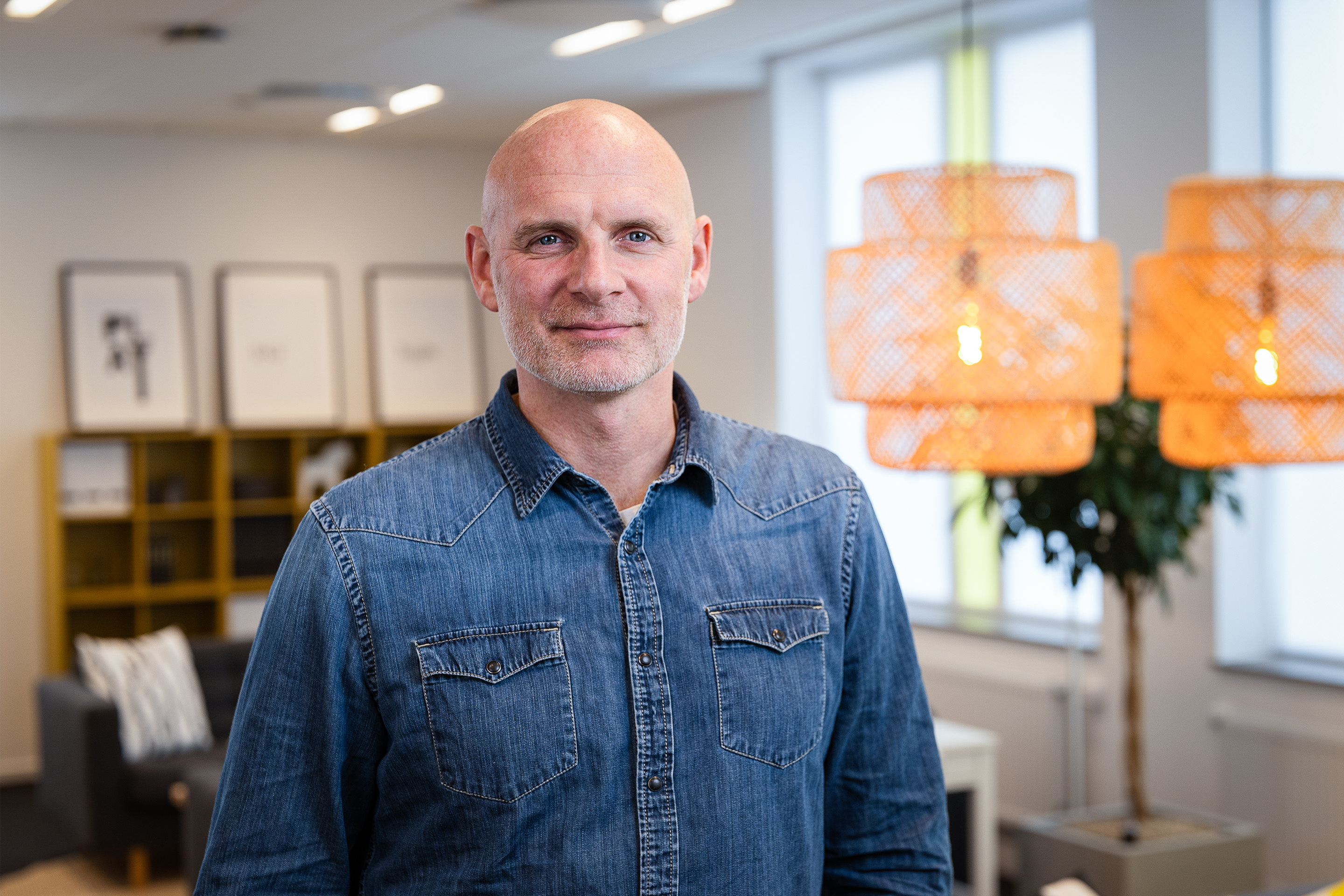
(Yicai) Nov. 19 -- Ingka Centres drew on the experiences from other markets to set up business in China nearly 20 years ago, but after all this time, the Swedish shopping centers operator’s Chinese team has become the key driver of global innovation, according to the managing director of Ingka Centres.
When Ingka Centres established its Chinese business, it used the knowledge from other markets, such as the United States, Europe, Thailand, and Malaysia, to “bring a cocktail of the best pieces and put it together,” Sebastian Hylving told Yicai in an interview yesterday. “But over the years, this has changed.”
Now, Ingka Centres sees China and the local team as its innovation hub where the future is, Hylving explained. “Now we can take the lessons and advancements we have in China and bring them to Europe.”
For example, Ingka Centres has teamed up with Chinese unmanned logistics vehicle maker Neolix Technology and Dishangtie Car Rental, a Chinese electric vehicle leasing company that counts Ingka Group as one of its investors, to jointly develop autonomous retail vehicles. Both Ingka Centres and Ikea are part of Ingka Group.
The self-driving retail vehicles pick up products from brands at Ingka Centres’meeting places and deliver them autonomously to parks, at the foot of mountains for hikers, or to elderly care homes for residents who cannot easily move around, Hylving said. The company will run tests in China and later consider bringing the vehicles to Europe or the US.
China is changing faster than any other market, Hylving said. “I don't see that speed anywhere else, even in other parts of Asia.”
Hylving arrived in China when Ingka set up shop in 2008 and lived there until 2014, when he moved to Southeast Asia. The company has invested more than CNY27 billion (USD4 billion) in the Chinese market since 2009, according to Hylving.
In 2008, China had department stores and hypermarkets rather than real shopping malls, so Ingka Centres brought Livat to give people reasons to visit beyond shopping. Ingka Centres now calls Livat shopping malls meeting places, “living rooms for local communities.”
The company does not view a mall as just an item on the balance sheet, but tries to understand what people in the community need and want, Hylving explained.
In China, Livat welcomed about 150 million visitors last year, including 36.4 million to Livat Beijing, Hylving said. Globally, Ingka Centres received more than 330 million visitors in fiscal 2026, up from 320 million a year earlier.
Much of traditional, transactional shopping can be replaced by a click online, but people still need to meet in person. "We like to be with other people, we like to see, and we like to be seen," Hylving pointed out.
Ingka Centres' latest Play Forward: Life in Communities report found that six in 10 people feel they play less than they did a decade ago, while three in four say play is important for emotional connection. Online brands are also moving offline to get noticed. Online, "you meet everyone, but you also meet no one," he said.
Looking ahead three to five years, Hylving said that the biggest opportunities in China will come from the local team's ongoing effort to understand customers, services, stores, and events, while keeping meeting places clean, safe, and efficient to run.
As for artificial intelligence, Hylving believes it will bring many opportunities, but also challenges. What matters is keeping a positive outlook and acting on it, he added.
Ingka Centres’ Deal With China’s GoHigh Is ‘Routing Asset Rotation’
In December last year, Ingka Centres announced it would team up with Chinese investment firm GoHigh Capital to establish a real estate fund that will co-own three of its longest-operating Livat meeting places in Beijing, Wuhan, and Wuxi.
The deal means Ingka Centres will continue to manage and operate the meeting places under the Livat brand. Ingka Group's fiscal 2026 results, released on Nov. 17, confirmed that the three meeting places have been transferred to the co-owned fund.
The partnership frees up capital for future growth and brings the company closer to local partners, Hylving explained.
He called this deal a routine asset rotation. “We hadn't done a rotation in China before,” he noted. “It's a natural part of our business model.”
Partners are drawn to Ingka Centres not only because of the assets, but because of its local team's knowledge of the market and its customers, Hylving said.
Editor: Futura Costaglione





