



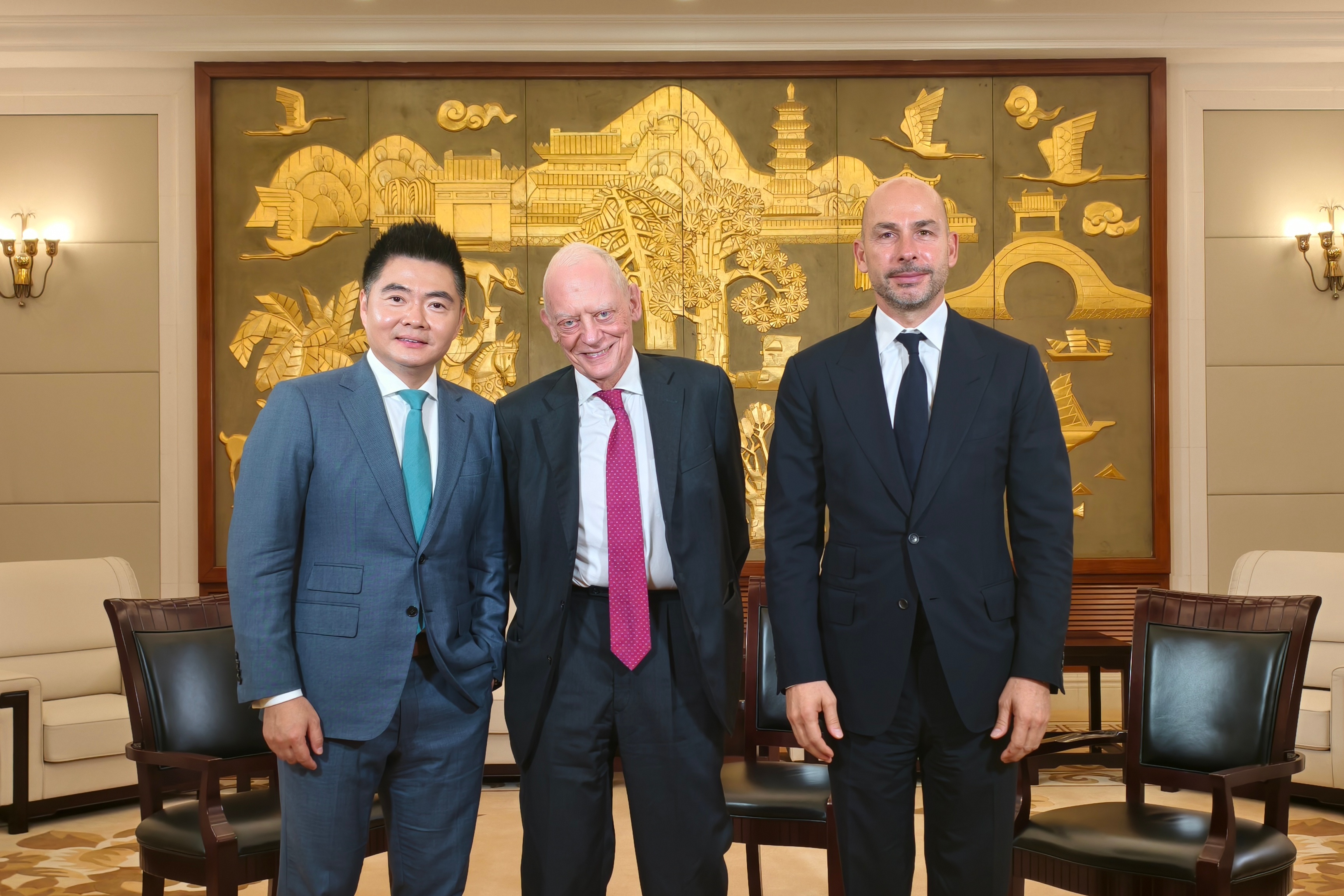
 Emerging Markets-Focused Investor Gemcorp Turns to Yuan Financing as China-Africa Trade Grows
(Yicai) Oct. 29 -- Chinese firms are expanding their trade and construction footprint in Africa, but financial support has not managed to keep up. Gemcorp Capital, a London-based investment group focused on emerging markets, is seeking to bridge this gap through Chinese yuan financing.
“We are going to be tapping the Lotus bond market, hopefully next month, in order to obtain our own Chinese yuan resources to pay our Chinese suppliers,” Gemcorp Capital’s Chairman Lord Gerry Grimstone, who was also the United Kingdom’s former investment minister from 2020 to 2022, told Yicai in a recent interview.
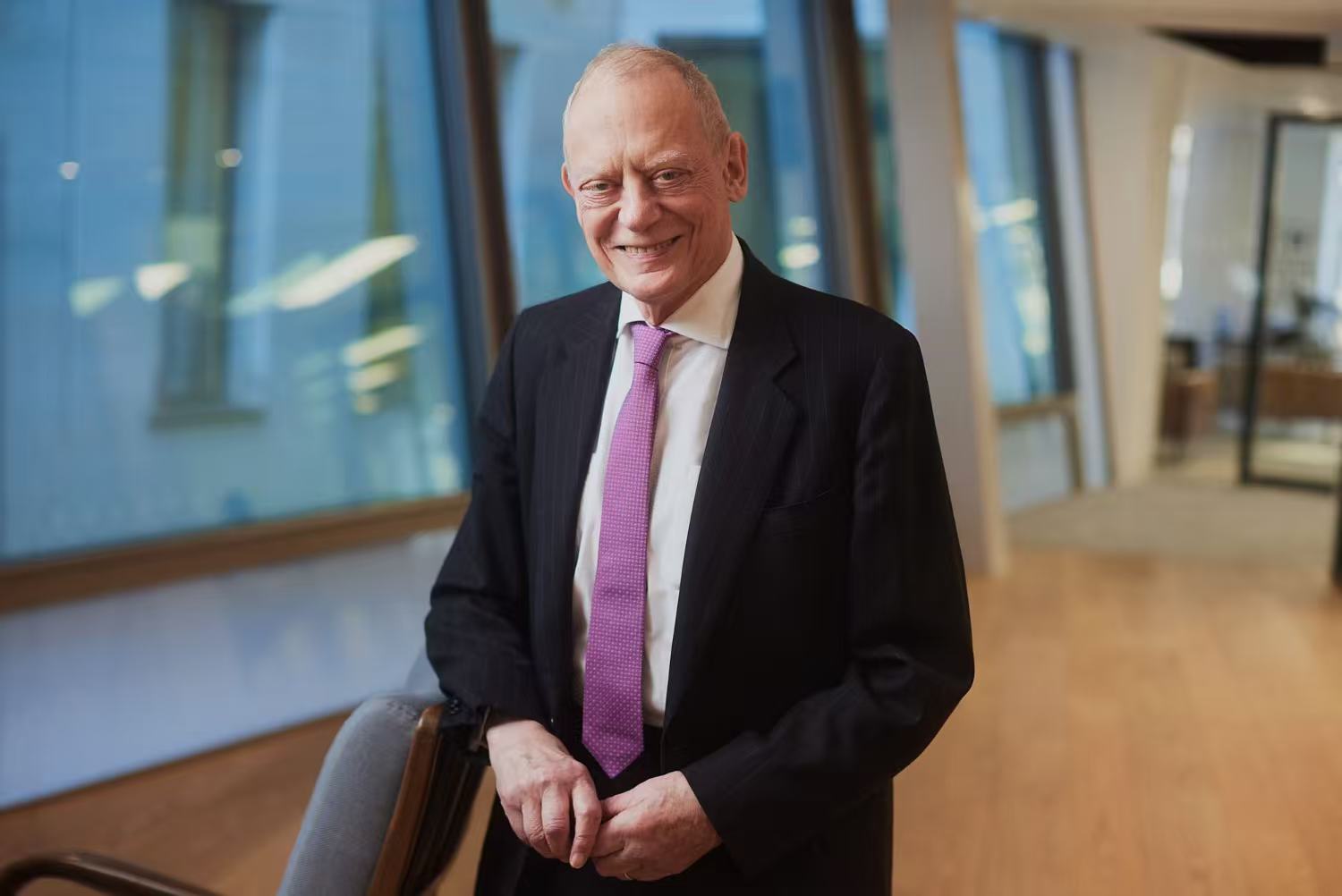
Grimstone said the broader aim is for UK companies to be “operating in Africa, structuring and actually creating large projects,” using “Chinese technology skills and technical skills” to build them, and “paying those Chinese companies in RMB.”
Asked what real commercial advantage this offers investors and borrowers, he said: “Because it decreases our costs, we’re not having to hold foreign exchange costs.”
China-Africa trade rose over 22 percent to USD312.1 billion in the first three quarters of the year from a year earlier, according to the General Administration of Customs of China.
“Over the last two decades, Chinese companies have exceedingly been more proactive and opportune to go and invest in the African continent,” Atanas Bostandjiev, Gemcorp's founder and chief executive officer, told Yicai. “But Chinese financial and banking sectors have not managed to catch up or keep up with the commercial industrial sector.”
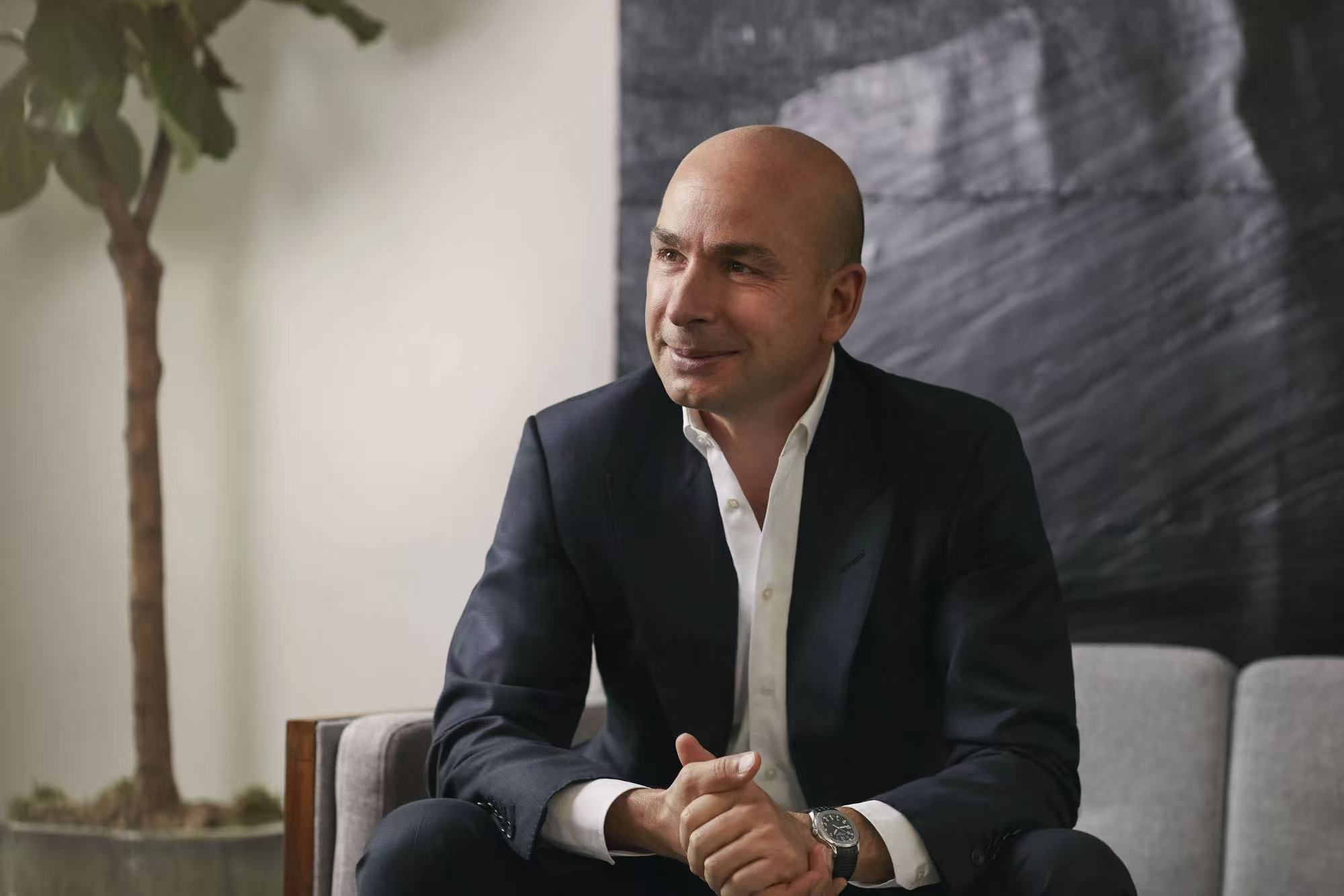
Bostandjiev believes that Chinese financial institutions lack sufficient knowledge and understanding of credit and risk management in Africa. Gemcorp aims to turn the many “uninvestable concepts or projects” in Africa into financial instruments that meet Chinese investors’ standards, documentation and rules, he said.
Chinese financial institutions have been financing projects in Africa for a long time, but their lending has become more selective. Loan commitments by Chinese lenders to African countries totaled USD180.9 billion between 2000 and 2024, according to Boston University's Global Development Policy Center. They fell to less than USD2.1 billion in 2024 from a peak of USD28.8 billion in 2016.
Founded in 2014, Gemcorp had invested USD10 billion across more than 25 emerging markets as of Aug. 31, according to its website. Bostandjiev first visited China in 2024, a decade after founding Gemcorp. This trip took him to Beijing to attend the 2024 Summit of the Forum on China-Africa Cooperation (FOCAC) and to meet potential investors and strategic stakeholders including Power China International with which Gemcorp entered into strategic partnership agreement.
In Global South economies, bank balance sheets average 0.3 to 0.4 times the gross domestic product, compared with 2 to 3 times in the United States and Europe, Bostandjiev said.
Young populations and limited savings further constrain the supply of capital, leaving opportunities that Gemcorp believes it can help finance. “People think risk is a bad thing, but of course, risk is a wonderful thing if you can calibrate it and understand it," Grimstone noted. “So if you are the only kid on the block who understands risk in some of these emerging markets, it gives you a real competitive advantage.”
Cutting Forex Frictions
Angola has taken steps to facilitate the use of the Chinese yuan in its financial system. In July, the country's central bank allowed lenders to use the yuan alongside the US dollar, the euro, and the South African rand to meet foreign-currency reserve requirements.
In September, Banco Angolano de Investimentos signed a memorandum of understanding with Bank of China's Luanda branch on yuan clearing and settlement and indirect access to China's Cross-Border Interbank Payment System.
"In practical terms, it means that if a Chinese company sells an electric vehicle or machinery to Angola, the Chinese company can get paid directly in yuan without having to cross the US dollar, euro, UK pound, or other type of cross-currency swaps," Bostandjiev said.
Grimstone said yuan liquidity sometimes falls short of what trade needs. "Whenever you have to change currencies, you're causing friction to come into the market," he noted. “We would very much encourage the People's Bank of China to keep on providing liquidity to markets such as Angola because sometimes the yuan isn't quite where it needs to be in order to provide the liquidity to facilitate trade.”
Yuan financing can reduce the need for currency conversion at certain stages of a transaction, but it does not eliminate foreign exchange risks. If a project earns revenue in Angolan kwanza or US dollars while its debt is denominated in Chinese yuan, the borrower remains exposed to currency mismatches. Whether the arrangement lowers overall financing costs also depends on funding rates, yuan liquidity, and risk management.
UK Finance Meets China’s Industry
Gemcorp also aims to combine its financial structuring and risk management capabilities with Chinese companies' engineering, procurement, and construction expertise to develop projects in Africa.
"We are a financial but also industrial conglomerate,” Bostandjiev said. “We finance, but we also build and operate the industrial projects that we finance.”
The Cabinda Refinery in Angola is an example of the company’s approach. Angolan President João Lourenço inaugurated the plant on Sept. 1 last year. Gemcorp owns 90 percent of the refinery, while state-owned oil company Sonangol Group holds the remaining 10 percent. The first phase has a designed processing capacity of 30,000 barrels a day.
Bostandjiev said Gemcorp has signed a memorandum of understanding with the Hunan provincial government, which he described as one of its first pilot projects.
Gemcorp’s centralized procurement center in Hunan is still being prepared, but orders have already been under negotiation, Hunan Online reported in September. The firm intended to purchase USD6 million worth of firefighting equipment in Hunan for an Angolan government project it financed, with export credit insurance provided by China Export and Credit Insurance. Morocco's Bank of Africa may provide a USD20 million letter-of-credit confirmation line for the purchases.
The Hunan Online report also noted that the two sides would work toward establishing a Qualified Domestic Limited Partner (QDLP) fund, prioritizing sovereign, debt-based, and short-term deals.
Gemcorp sees opportunities to serve Chinese banks, insurers, and institutional investors by deploying yuan funds into investments in emerging markets, while helping Chinese exporters obtain better financing terms.
Grimstone highlighted London's role as a major center for offshore yuan and yuan clearing, saying that this position has developed only in the past 10 years. "If we can increase two-way investment and two-way trade, the yuan will naturally further internationalize without it being forced to happen," he added.
Editor: Futura Costaglione





