



 Key Stakeholders in China Stock Market Laggards Pull Share Sales After Regulator Tightens Rules
(Yicai) Aug. 29 -- A number of Chinese mainland-listed firms whose shares are trading below par have reportedly said major stakeholders will not go ahead with plans to pare their stakes after the securities watchdog stiffened the requirements as part of measures rolled out at the weekend to boost investor confidence and spur the ailing stock market.
Thirteen companies said yesterday that major shareholders will not proceed with stake sales, Shanghai Securities News reported today. Many more are likely to follow suit as almost 100 of the listed firms that have set out such plans do not meet the new requirements, it added.
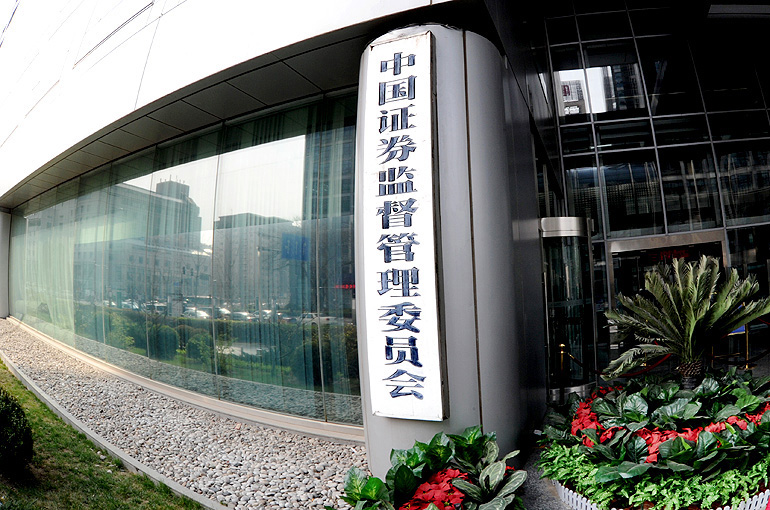
The China Securities Regulatory Commission said on Aug. 27 that controlling shareholders or actual controllers cannot shrink their stakes via the secondary market if the listed firms’ shares have fallen below the initial offering price or net asset value per share, or they have not distributed cash dividends in the past three years and the dividend total was less than 30 percent of the firm’s average annual net profit in the period.
Of the 13 companies, which include financial information provider Shanghai DZH, the stock of six is now trading below the issue price, eight of them have not issued dividends, and one is trading at a discount to net asset value, Shanghai Securities News said. Several do not meet two or more of the requirements.
The new measures will restrict major stakeholders in at least 1,700 companies from offloading shares, the report said. Most of these firms are in the construction, interior decoration, textiles, banking, real estate, steel, and transportation sectors.
Loss-making biopharmaceutical companies listed on Shanghai’s Nasdaq-style Star Market are likely to be particularly affected, as most of them have not distributed dividends and are trading below their issue price.
Major shareholders, supervisors, and executives of companies listed in the Chinese mainland have sold CNY1.6 trillion (USD219.6 billion) of stock since 2021. Almost a third, CNY500 billion (USD68.6 billion), was by stakeholders in companies that do not meet the new rules.
The latest requirements will not only impact unprofitable companies on the stock market, but will also put pressure on those seeking to go public to be more rational, an investment banker said. “If a company seeks an ambitious IPO price and there is not sufficient subsequent growth, the share price is likely to drop to below the offer price, affecting major shareholders,” he added.
Editor: Kim Taylor





