



 Baidu-Backed iQiyi Jumps After Filing for Hong Kong Secondary Listing
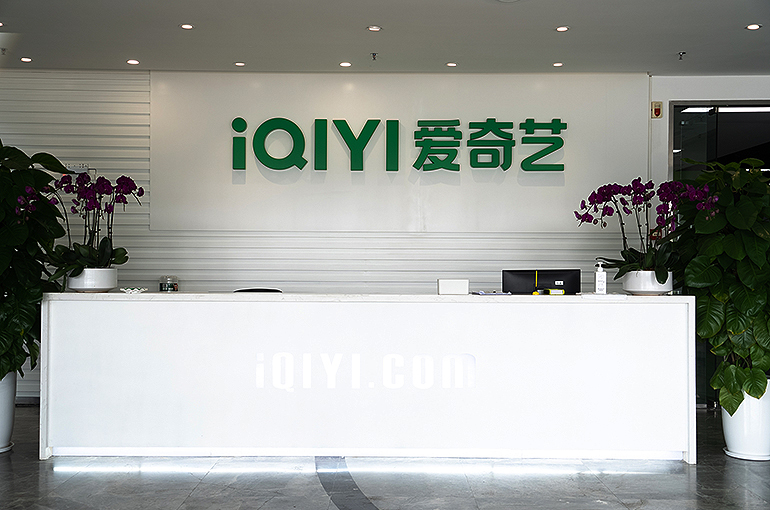
(Yicai) March 31 -- IQiyi's shares rose after the video platform backed by Chinese internet giant Baidu said it has submitted a confidential application for a secondary stock listing in Hong Kong.
IQiyi [NASDAQ: IQ] closed 5.8 percent higher at USD1.27 per share in New York yesterday. The stock has lost 34 percent of its value since the end of last year.
The secondary listing aims to enhance iQiyi's access to Hong Kong's capital market, broaden its investor base in Asia, and strengthen its global profile, the Beijing-based company announced late yesterday.
The move remains subject to approval from the Hong Kong Stock Exchange and completion of filing with the China Securities Regulatory Commission, iQiyi noted, adding that the details have not been finalized.
The listing is likely intended to make better use of iQiyi's existing assets and broaden financing channels, Shen Meng, director of Xiangsong Capital, told Yicai. The firm ended in the red last year, so the move may help ease the financial pressure faced by parent company Baidu, Shen said.
IQiyi’s net loss based on generally accepted accounting principles was USD29.2 million in the 12 months ended Dec. 31, compared with a net profit of USD109 million the previous year. Revenue fell 7 percent to USD3.9 billion due to lower income from paid memberships and advertising.
IQiyi’s filing was the third done in secret by a Baidu-backed company since the start of the year. Baidu's artificial intelligence chip subsidiary Kunlunxin filed in early January, while BioMap, a life sciences AI firm set up by Robin Li, founder, chairman, and chief executive of Baidu, reportedly applied in the middle of this month.
AI hardware platforms need a lot of capital investment, with both the research and development of underlying chips and AI-driven pharmaceuticals generally acknowledged as capital-intensive businesses, Shen said, noting that the listing of Kunlunxin and BioMap will also help Baidu ease its financial pressures.
Kunlunxin and BioMap have not yet reported financial data, but AI chip rivals Moore Threads Technology and MetaX Integrated Circuits, as well as AI drug developer Insilico Medicine Cayman, are in the red, Shen stressed.
The three listings also show Baidu's capture of Hong Kong’s stock market "policy dividend,” Shen noted. The city’s initial public offerings market has further heated up this year, with the total raised so far exceeding HKD100 billion (USD12.76 billion), Shen said.
AI chip businesses are at a high valuation point in the supply chain, and spinning off Kunlunxin for listing can enable Baidu to inject funds into its chip business through the capital market, Shen pointed out. A series of reforms by the HKSE in recent years has also provided greater flexibility for the listing application process of Baidu-backed companies, Shen added.
Robin Li aims to enter the new AI-driven drug development arena via BioMap. In the early stages of the company, he directly and indirectly owned about 40 percent of the firm.
Following changes to the shareholder structure of BioMap's domestic operating entity last September, Robin Li and related Baidu entities withdrew as direct shareholders, although Li remains actual controller, according to business data platform Tianyancha. The move was likely an optimization of the equity structure in readiness for the Hong Kong listing, experts said.
Editors: Tang Shihua, Martin Kadiev





