



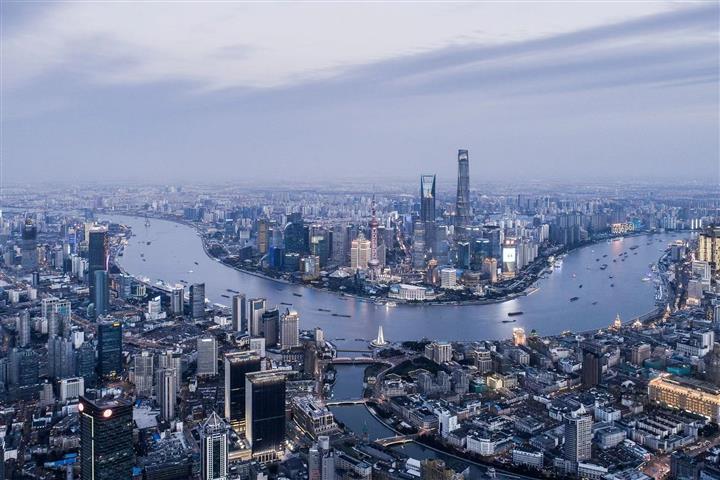
 China's Yangtze River Delta Sets New Goals Like 144-Hour Transit Visas, Easy EV Charging
(Yicai) June 6 -- China's Yangtze River Delta, which is home to cities such as Shanghai, Hangzhou, and Nanjing, revealed 10 development goals such as a 144-hour transit visa policy and a widening charging network for electric vehicles.
The eastern economic powerhouse, which contains parts of Jiangsu, Zhejiang, and Anhui provinces, released a list of projects involving interprovincial transport, tourism, and medical insurance during a forum today.
The transport plans include 660 kilometers of new railways. The region will add more than 70,000 public charging piles to have a total of 600,000-plus to accelerate the adoption of EVs, reaching a vehicle-to-pile ratio of 1.9. In the third quarter, the YRD will construct a new super-high-speed railway connecting the three provinces and Shanghai.
In terms of cultural tourism, the YRD will build a brand of cultural tourism with at least 30 featured routes. It will implement a 144-hour transit visa policy for foreigners so they can travel within the region and depart from a different port to their final destination.
In terms of medical care, the YRD will include 12 assisted reproductive technologies in the scope of medical insurance, and all hospitals will accept direct billing even though the patient might reside in another city in the region. Moreover, the YRD promotes mutual service standards and skill certification of elderly care institutions and it will create more than 300 senior homes.
The list also mentions projects in rural development, government services, and food safety.
Editor: Emmi Laine





