 Chinese E-Retailers See July Sales Slump After EU Ends Duty Exemption for Low-Value Parcels
(Yicai) July 20 -- Some Chinese cross-border e-commerce sellers have reported weaker sales this month after the European Union introduced new import duties on low-value parcels that were previously exempt from customs duties.
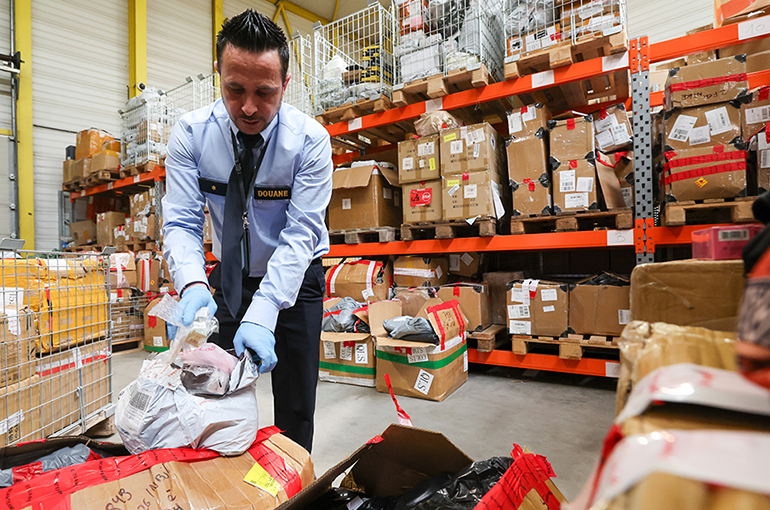
From July 1, the EU started to levy a EUR3 (USD3.40) tariff on e-commerce parcels valued at EUR150 or less that are shipped from countries and regions outside the EU.
The new tariff has almost doubled the selling price of products previously priced at just EUR3 to EUR5, and as a result sales of low-priced direct-shipping products have plummeted, Xiao Ting, a toy seller based in southern Guangzhou province, told Yicai. Products priced above EUR10 have been less affected, as the tariff represents a smaller percentage of their selling price.
Lin Li, a football jersey vendor, said that Europe accounts for nearly 60 percent of his total sales, reflecting the region’s importance as a global football merchandise market. Most of the jerseys he sells are priced below EUR20 (USD23). With the new tariffs, the price has now jumped by between 15 percent and 20 percent. Over the past two weeks, sales have tumbled about 20 percent, he added. However, Lin expects consumers to eventually return to online shopping, as even after the price increases, comparable products sold online are still about 30 percent cheaper than products sold through offline channels.
The EU’s new tariff policy is primarily intended to protect local business, Zhang Zhouping, executive director of the Bense Think Tank, told Yicai. Domestic online retailers and brick-and-mortar stores are required to pay taxes, while the previous exemption for low-value imported parcels created what many viewed as an uneven competitive environment.
Chinese merchants have continued to strengthen their presence on Amazon, according to data recently released by US e-commerce research company Marketplace Pulse. Chinese vendors now account for 55.9 percent of the top 10,000 sellers on the US e-commerce giant’s global seller rankings, up from 42.5 percent in 2020, and the number has increased by 1,342 since July 2020. Their competitive advantages include proximity to manufacturing bases, direct access to factories and the use of artificial intelligence tools.
The new rules will require direct-shipping platforms to redesign their pricing and logistics strategies, improve tax transparency and expand overseas warehouse infrastructure, Zhang said. They will also need to undertake extra customer communication and absorb these additional costs.
Editor: Kim Taylor