 Implementation of US' 100% Duty on Generic Drugs in Two Years Is Uncertain, Chinese Researcher Says
(Yicai) July 22 -- There are significant uncertainties regarding whether the United States' 100 percent tariff on imported generic drugs from 2028 will ultimately be fully implemented, according to a Chinese researcher focused on international cooperation in the pharmaceutical sector.
Changes in the domestic affairs of the United States may sway the implementation of the new policy for generic drugs, the researcher said in an interview with Yicai.
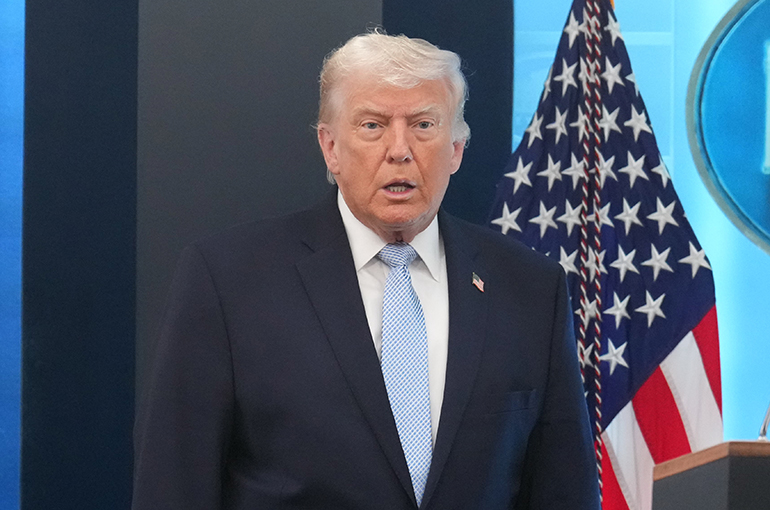
Yesterday, US President Donald Trump announced on social media that all generic drugs imported into the country will face zero tariffs for two years starting from Aug. 1, with a 100 percent levy to kick in after the grace period expires, which will rise to 200 percent a year later.
Although Trump sets a clear timetable for the tariff hike, the US is able to adjust the implementation schedule on the grounds of drug supply chain security and domestic supply pressure, the researcher pointed out. In addition, the policy should take effect less than half a year before the new administration takes office, so uncertainties such as whether the policy will continue or the new administration will form exemption lists for certain drugs remain, the researcher added.
Trump's statement only involves tariff policies for generic drugs, but not for the import of active pharmaceutical ingredients. Whether his policy adjustment will continue the US regulatory approach to the integrated review of APIs and dosage forms is subject to the presidential decree issued by the US government.
The policy will also face obstacles in implementation, with the US healthcare system extremely dependent on cheap generic drugs and imported APIs, the researcher said, noting that a 100 percent to 200 percent tariff is likely to trigger a surge in drug prices, which will probably urge the government to issue a list of drugs that enjoy tariff exemptions or tax discounts.
Chinese pharmaceutical products exported to the US mainly consist of API, with the export share of generic drugs being relatively small, the researcher noted. If the US only raises import tariffs on generic drugs, although it will put some pressure on relevant Chinese exports, the overall impact on pharmaceutical products will be controllable in the short term, the person pointed out.
China's exports of APIs and intermediates to the US topped USD4.1 billion last year, while exports of Western medicine preparations were about 3.5 times less at USD1.2 billion, according to calculations by the China Chamber of Commerce for Import and Export of Medicines and Health Products based on Chinese customs data.
"The dependence of the US pharmaceutical market on Chinese APIs is difficult to replace in the short term, otherwise it will lead to skyrocketing drug prices and supply shortages," the researcher stressed.
On April 2, a White House executive order exempted generic drugs and their supporting APIs from tariffs on a temporary basis, but required the Department of Commerce to conduct a one-year supply chain assessment.
The purpose of the new policy is to promote the return of generic drug production to the US, Trump said. Companies that fail to build plants and related equipment in the country before the prescribed deadline will face penalties of higher tariff rates, he stressed.
Editors: Tang Shihua, Martin Kadiev