



 China's Record Expansion of Drug Reimbursement List Doesn't Guarantee Patient Access, Insiders Say
(Yicai) Nov. 19 -- China has added 51 Category 1 innovative drugs to its recently released 2026 National Reimbursement Drug List, the largest annual increase on record. However, inclusion on the list does not guarantee that the medicine will reach patients, as several hurdles remain before they can be stocked by hospital pharmacies, industry insiders told Yicai.
Before a new drug can be stocked by a hospital pharmacy, it must undergo a review by the hospital’s pharmaceutical affairs committee, the insiders said. The hospital must also complete arrangements with the drug supplier and distribution service provider, enter the drug’s code into its information system, and train doctors in the relevant clinical departments on how to use it. All these procedures take time.
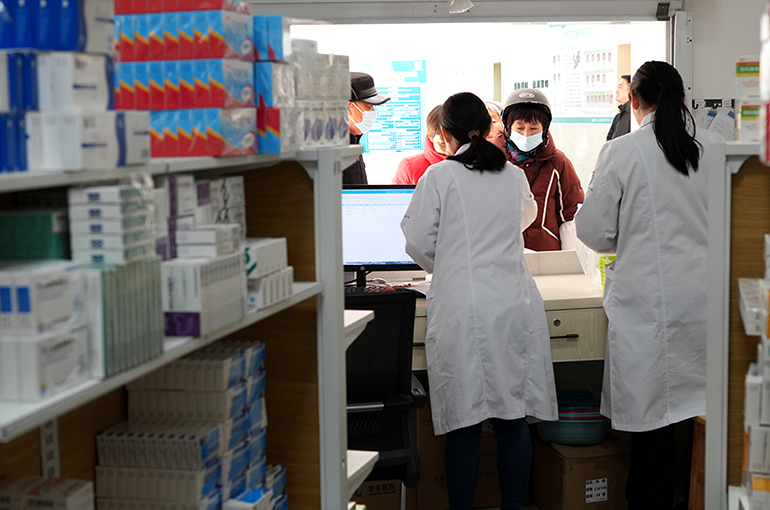
The National Reimbursement Drug List adds a large number of medicines every year, but not all of them automatically make their way into every hospital pharmacy, said the head of the pharmacy department at a leading public hospital. Hospitals are also extremely cautious about bringing in new medicines because removing a drug once it has been added to their formularies can be very difficult, they added.
Whether to admit an innovative drug depends on several factors, the insiders said. Hospitals need to assess whether there is sufficient patient demand, whether the new medicine offers significant therapeutic improvements over existing treatments and whether its clinical benefits justify adding it to the hospital’s formulary. They must also consider whether introducing high-priced innovative drugs could push their total medical insurance reimbursement claims beyond regulatory limits.
In addition, regulations prohibit hospitals from earning commissions on the drugs they sell. This means expensive innovative medicines become a cost burden as soon as they enter hospital pharmacies. Many innovative drugs are biologics and, once introduced, hospitals must bear a range of associated costs, including cold-chain storage, the insiders said.
Hospital Incentives
To address hospitals' concerns about introducing innovative medicines, the National Health Commission and three other government departments issued a notice earlier this month requiring major public medical institutions to improve their procedures and workflows for admitting innovative drugs and to promptly include them in their formularies.
The notice also stipulated that the use of innovative drugs will be excluded from a range of performance evaluation indicators for public medical institutions.
This removes some of the justifications hospitals have used to keep innovative drugs out, said Jin Chunlin, director of the Shanghai Health Development Research Center. It also addresses a key concern among hospitals, which is that they must bear the financial losses associated with using innovative medicines themselves.
However, as long as the compensation mechanism for public hospitals remains unchanged, hospital presidents and department heads will have little financial incentive to introduce innovative drugs, Jin said.
The new policy may make it harder for hospitals to block innovative medicines from entering their facilities, but additional positive incentives are needed to encourage hospitals and doctors to actively promote their use, he added.
Editors: Tang Shihua, Kim Taylor





