



 Chinese Catering Firms Adapt to Higher Costs, Diverse Demand in Post-Pandemic Era
(Yicai) Nov. 27 -- After China’s catering industry experienced a robust rebound after the adjustment of anti-Covid-19 measures, local businesses have been coping with a series of challenges, including increased costs and diversified demand.
The raw material costs of Original Chicken Catering, which is applying for an initial public offering in Hong Kong, surged 72 percent between 2021 and 2019, while labor costs rose 54 percent in the period, the Anhui province-based fast-food chain said in its listing prospectus.
Laoniangjiu Catering, which scrapped plans for an IPO earlier this month, said in its listing prospectus that its raw material and labor costs rose 28 percent and 45 percent, respectively, in 2021 from 2019.
Catering companies’ strategy to counter surging costs is to raise sales prices. For example, the per capita consumption price at Chinese fast-food chains, including Original Chicken, jumped to between CNY25 and CNY50 (USD3.50 and USD7), with consumers needing to spend over CNY40 to eat a complete meal.
Besides price markups, restaurant operators also need to cut out intermediate links when purchasing raw materials and strictly control the quality of raw materials and the costs of water, electricity, gas, detergents, and labor, Wang Wenjun, co-founder of Da Long Yi Hot Pot, told Yicai.
Catering firms should also have independent research and development capabilities for new food and beverage products, for which they will have pricing power, Wang believes.
Adding new products is the most direct competitive strategy for catering companies. Many brands offer dessert and tea beverage products at their stores, as they are popular among consumers. For example, some mainstream hot pot chains have partnered with Honeymoon Dessert to directly sell the dessert maker’s products on the tables at hot pot restaurants.
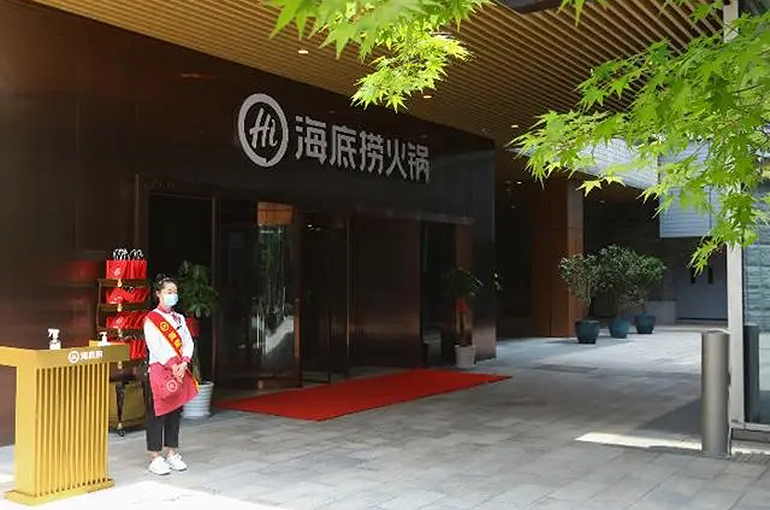
Cultivating new consumption scenarios has also become a way for restaurant operators to attract customers. For example, Haidilao International Holding provided new outdoor consumption experiences, such as snack stalls and camping and rooftop hot pot outlets, in the summer to meet the growing demand for outdoor dining.
Consumers seek lower prices and higher quality now, a source at Xibei Catering Group told Yicai. Eat well is the most basic expectation, but as the standard keep improving, continuous innovation and improvement in products, environment, and services are also required.
However, rising store rents and ingredient costs have also accelerated the reshuffle in the industry, and some restaurant brands had to close. For example, Tiger Attitude Chartered Pastry Bank, a Chinese-style pastry chain that was once rather popular, closed stores in April, leaving its headquarters in Shanghai empty.
Editor: Tang Shihua, Futura Costaglione





