



 Chinese Herbal Medicine Producers Feel The Pinch as Price of Ingredients Soars
(Yicai) June 14 -- Makers of traditional Chinese medicine are under pressure as the price of many of the natural ingredients they use, such as dried cow gallstones and purple magnolia, has soared in the first half yet they are unable to raise their prices by much due to the national health insurance scheme’s caps, industry insiders said.
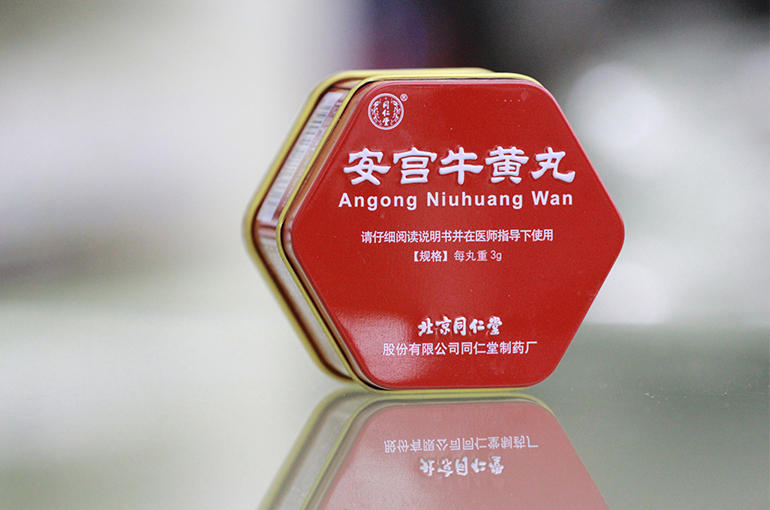
The price of dried cow gallstones, one of the main ingredients in An Gong Niuhuang Wan which is a famous TCM treatment for strokes, comas and meningitis, has shot up 65 percent in the past year to CNY1.7 million (USD234,295) per kilogram, according to sites monitoring the price of TCM raw materials.
And the price of other herbs, such as black pepper and purple magnolia, has doubled this year, while that of black cardamom and radix aucklandiae has soared more than 60 percent. The Kangmei Chinese Medicinal Material index, compiled by Kangmei Pharmaceutical, increased to 2,242 points on June 13 from 2,062 points on Jan. 8, indicating big price jumps.
Tongrentang, which produces more than half of the An Gong Niuhuang Wan in China, has hiked the price in Hong Kong to HKD1,280 (USD164) per pill from HKD1,060 per pill, the Board Secretary’s office at the 350-year-old TCM firm told Yicai. When asked if the price will also go up on the mainland, a member of staff said he had no further information.
China Resources Sanjiu Medical & Pharmaceutical is also considering raising the prices of its main drugs to cover the rising cost of raw materials, the Shenzhen-paced company said last month.
Some herbal medicine producers are starting to grow their own herbs to counter the rising costs. Chongqing Taiji Industry Group, for instance, has set up a 13,333-hectare farm to produce its own ingredients.
But when the price of herbs falls, these self-built bases will be the first to incur losses, said Jia Haibin, chief analyst at Sinohealth Digital Technology’s herbal medicine center. It costs TCM producers twice as much, if not more, to produce their own ingredients compared with regular growers.
The stable supply of ingredients needs to be further explored, Jia said.
Editor: Kim Taylor





