



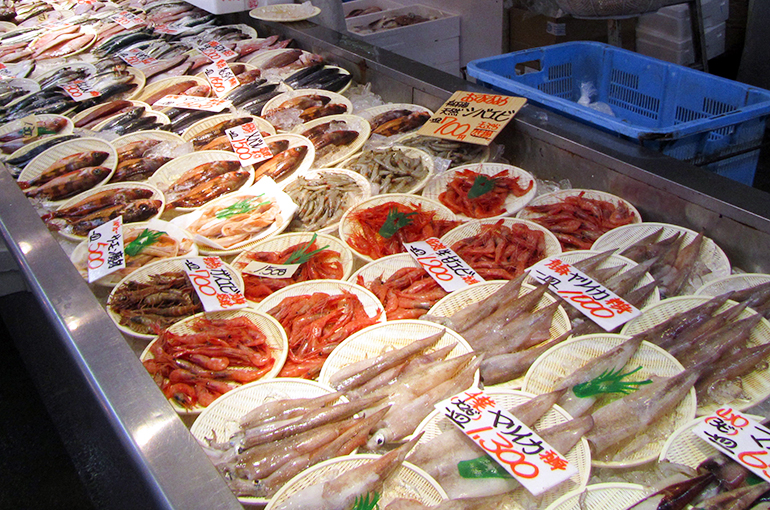
 Chinese Shops, Restaurants Turn to Local Substitutes After Japanese Seafood Imports Banned
(Yicai) Nov. 20 -- Chinese supermarkets and restaurants have begun switching to domestic alternatives after the country suspended all imports of Japanese seafood.
In response to inquiries about media reports that the Chinese government had banned all imports of Japanese seafood, China’s Foreign Ministry spokesperson Mao Ning said that Japan had committed to fulfilling its regulatory responsibilities for seafood exports to China and ensuring their quality and safety, but it has so far failed to provide the promised technical materials.
After China banned imports of Japanese aquatic products to prevent the risk of radioactive contamination caused by the release of wastewater from the Fukushima power station, most supermarkets had already suspended the import of Japanese seafood, including tuna, according to large supermarket chains in China. For example, salmon is now mostly imported from Norway.
The supermarkets explained that imports of Japanese scallops had resumed after the first ban, but they will likely start sourcing such products from domestic regions, such as Dalian in Liaoning province, now that the imports are halted again.
A procurement manager from a major retail chain in China told Yicai that the suspension of Japanese seafood imports will not have a significant impact on its local retail stores, as the proportion of Japanese seafood is already very low. There are many alternatives available from other regions.
However, the manager predicted that this ban would likely have a noticeable impact on Japanese seafood companies.
Several Japanese restaurants in China told Yicai their ingredients do not come from Japan. For example, a staff member from a Japanese restaurant in Shanghai’s Pudong New Area said that it imports matsuba crab from Russia.
Editor: Futura Costaglione





