



(Yicai) Nov. 9 -- Chinese companies are expanding into Brazil at an accelerating pace, moving beyond reliance on local distributors toward setting up their own subsidiaries and manufacturing operations, according to a tax partner at PricewaterhouseCoopers Brazil, who described the inrush as “like a big wave.”
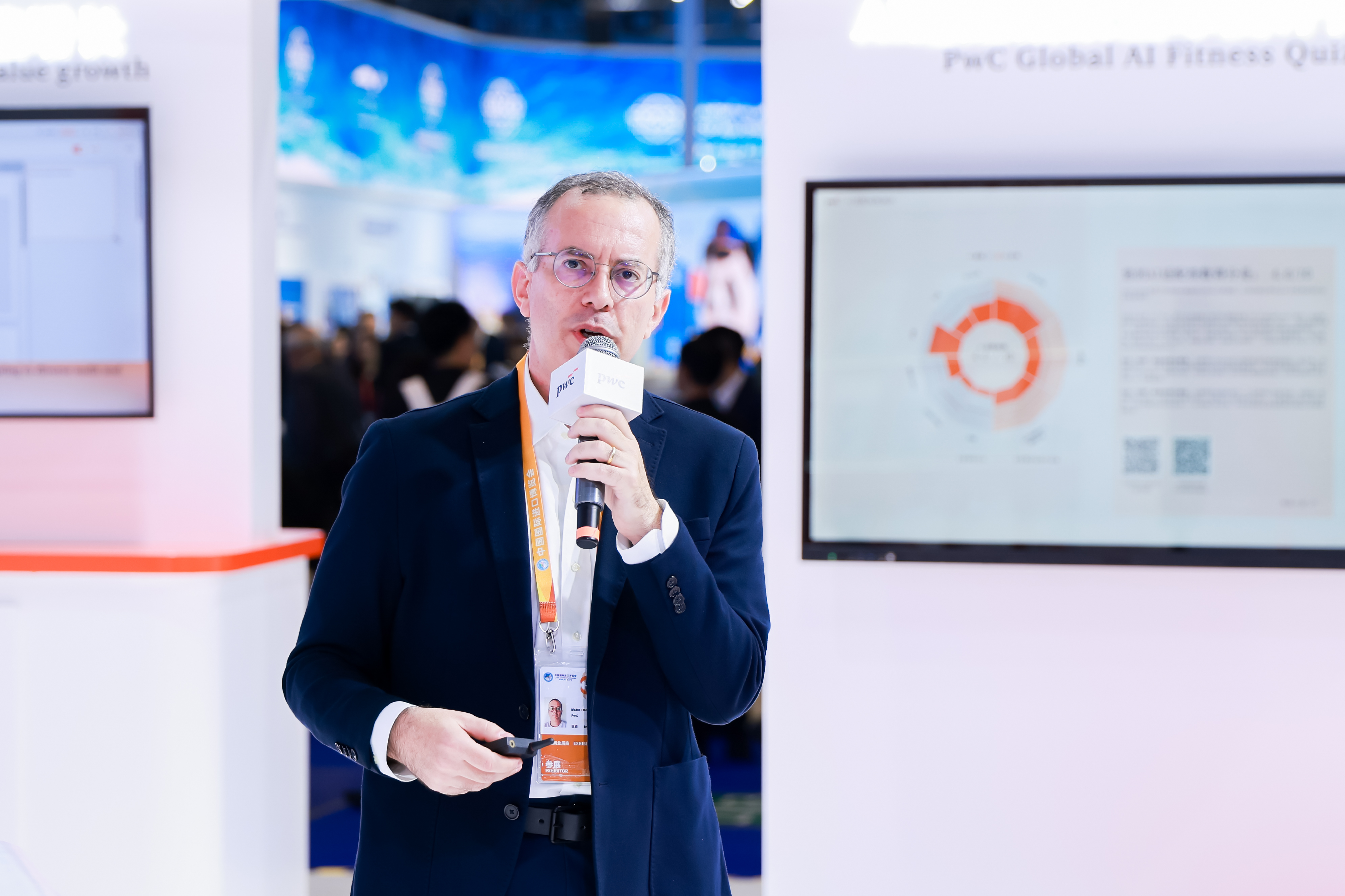
Chinese investment in Brazil used to focus on infrastructure, but in the past four years, the trend has shifted, Bruno Porto told Yicai at the ongoing China International Import Expo in Shanghai. Chinese firms in electronics, white goods, automobiles, e-commerce, fashion, and telecoms are among those entering the South American country, he said.
Chinese companies invested USD6.1 billion across 52 projects in Brazil last year, up 45 percent from 2024, according to the Brazil-China Business Council. Automotive investment, which accounted for 16 percent of the total, surged 66 percent in the period, as BYD and Great Wall Motor kicked off production at former Ford Motor and Mercedes-Benz plants.
With about 210 million consumers, Brazil is "a natural hub for Latin America," Porto noted. Brazilians quickly accept Chinese products, including cars and smartphones.
Porto said the expansion of Chinese businesses in Brazil has followed a clear progression. Many initially entered the market through local distributors before establishing their own local subsidiaries to import and resell products. Increasingly, they are taking the next step by acquiring or building manufacturing facilities, or partnering with original equipment manufacturers to make goods locally.
This shift toward manufacturing in Brazil is driven by two main considerations, he said. Producing locally allows Chinese firms to "gain time to market and speed to deliver products,” while local tax incentives can boost returns on investment. Greenfield projects -- investments in new facilities built from the ground up -- are also proving popular, Porto added.
Brazil's decision to raise the import duty on pure electric vehicles to 35 percent in July is also pushing carmakers toward local production, he said.
Chinese firms have also been building local teams, a trend that has gathered pace over the past four years, he said. These teams typically combine Chinese employees with locally hired staff who understand the Brazilian market, customers, and suppliers. Having the right local expertise is particularly important for providing after-sales service, which is a key consideration for Brazilian customers, Porto said.
‘Very Positive’ Tax Reform
Porto, who leads PwC Brazil’s international markets practice, briefed Chinese partners on Brazil’s investment tax regime at the CIIE. He discussed the country’s upcoming tax reforms, which he described as a positive development for investors, while cautioning that companies will need to adapt to its implications for their business operations and transfer pricing arrangements.
"The tax reform that's coming is a change to parameters, but it's very positive," Porto said. It will simplify Brazil’s tax system and bring it closer to China’s value-added tax framework, but with a tax rate of about 30 percent, compared with China's 13 percent, he noted, adding that the tax bases and credit rules between the two countries are different.
Every time businesses shift from importing to local manufacturing, they have to adjust their transfer pricing model too, according to Porto. But Brazil’s transfer pricing policy has changed already and become very similar to China’s, which is based on Organization for Economic Cooperation and Development rules.
However, ehe pace at which Chinese firms are changing their business models in Brazil makes regular reviews of transfer pricing arrangements increasingly important, Porto warned. Transfer pricing was also identified as the most common area for tax audits and disputes among Chinese firms in Latin America, according to a 2025 PwC China survey of 48 companies in the region.
Luiz Inácio Lula da Silva won Brazil’s recent presidential election and will begin his fourth term in January. From a Brazil-China perspective, the result was very positive, as he will provide stability for Chinese investors and continue the course of the past four years, Porto noted.
Editor: Futura Costaglione





