



 New Foreign Investment Wave Is Heading to China Over Next 18 Months, iMpact CEO Says
(Yicai) June 5 -- Renewed foreign interest in China is setting the stage for a fresh influx of investment and businesses from overseas in the next 18 months, according to the chief executive of iMpact, a global business and communications consultancy.
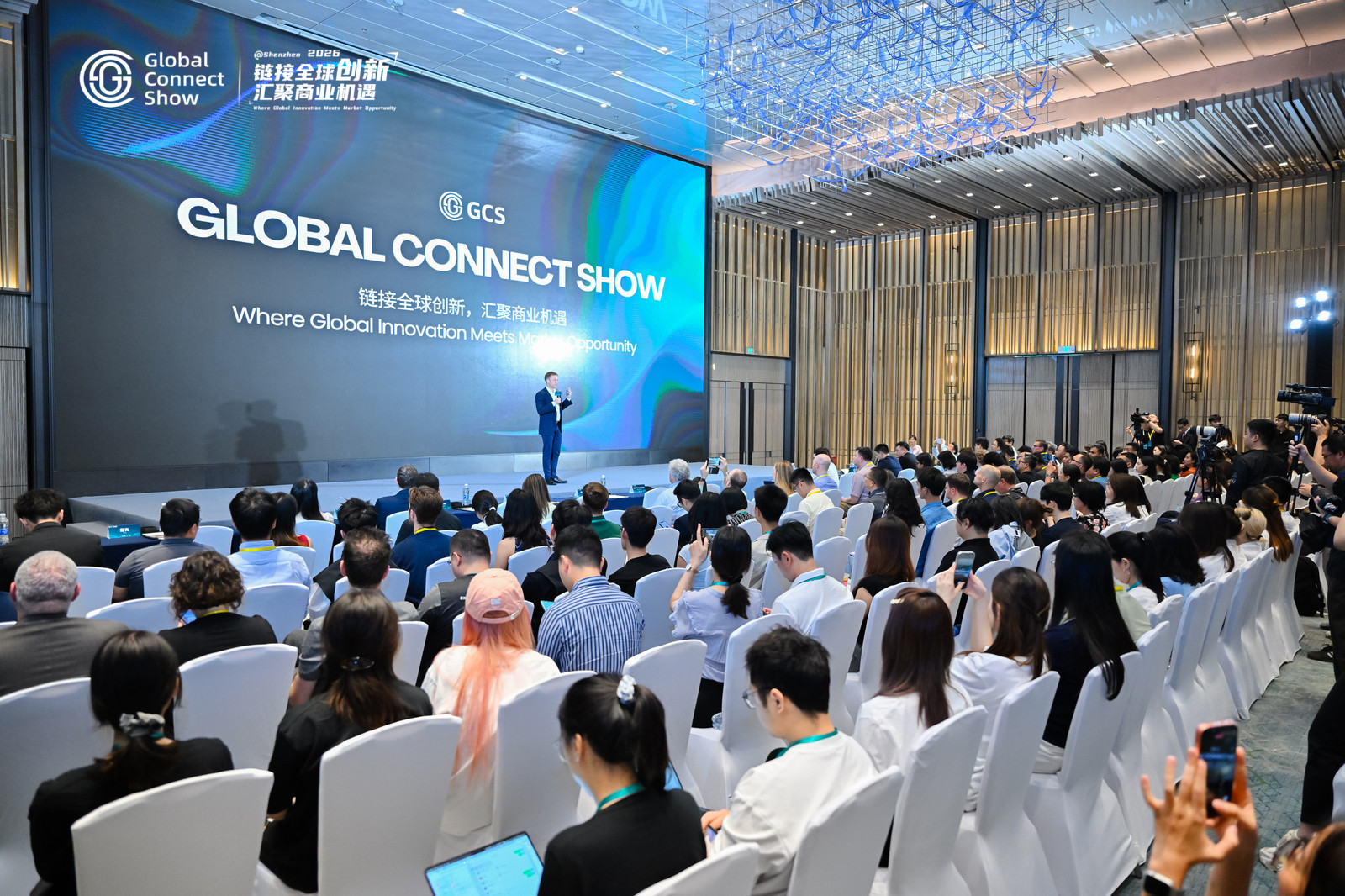
"Companies from the UK, Germany, France, Spain, Canada, Southeast Asia, and the Middle East will form a new wave moving into China," Chris Pereira told Yicai at the business networking event Global Connect Show held in Shenzhen on June 1. “This is the first time I am sharing this publicly.”
The early signs are there. Some 13,987 new foreign-invested businesses were set up in China in the first quarter of this year, up 11 percent from a year earlier. In Shenzhen, where New York-based iMpact has its China office, actual foreign capital utilization surged 47 percent to about CNY17 billion (USD2.5 billion), while the number of newly registered foreign-invested companies in the city rose more than 15 percent to over 2,700.
IMpact has started receiving inquiries from foreign companies looking to enter the Chinese market, something that was uncommon before, said Pereira, who has spent the past six years helping Chinese brands expand overseas. He has lived in China for more than two decades now and founded iMpact in 2020.
The renewed foreign interest in China has a number of causes, he noted. "Goodwill and curiosity toward China are surging," he said, with overseas media outlets and business figures actively visiting the country to see for themselves the developments in areas such as drones, robotics, consumer electronics, and technologies such as DeepSeek.
Pereira also pointed to the expansion of China's visa-free entry arrangements that have lowered the barrier for visiting the country. "Whether it is the UK, most European countries, Canada, or countries in Southeast Asia and the Middle East, people can now come to China very conveniently,” he said.
The Asia-Pacific Economic Cooperation summit to be held in Shenzhen in November is a potential tipping point for business engagement, he added.
Visiting China has become easier than going to the United States, Alun Davies, founder of British motorcycling magazine Adventure Bike Rider, told Yicai in Shanghai after taking a nearly 10-day ride through western China. If he were 20 years younger, he would certainly open an office here, Davies said.
Geopolitical Shift
Denis Depoux, global managing director of Roland Berger, offered a structural explanation for why foreign governments and firms are rethinking their relationship with China. The shift reflects a broader realignment among middle powers following disruptions to the US-led global trade order, he said.
“All the middle powers are trying to reinvent their alliances and their partnerships," Depoux noted, adding that this does not amount to a break with the US but rather a diversification of relationships.
"China plus one doesn't necessarily mean less China. It means diversification of supply to be less dependent on China," Depoux stressed. Some European companies are simultaneously evaluating their dependence on US technology infrastructure, he added.
"Nobody talks about this, but it's happening at the same time," Depoux said, suggesting that supply chain diversification is not a China-specific concern. "Globalization is not stopping. Global trade continues to increase, but the increase is driven by China and Chinese companies.”
Reverse Flow
China's overseas expansion may itself be generating inbound interest over time, according to Pereira. As more Chinese companies establish a presence overseas and hire locally, those employees develop direct familiarity with Chinese businesses and products, and "they will want to come see Shenzhen, Hangzhou, and Shanghai," he said.
"When I was young, my neighbor worked at a Japanese factory, a car manufacturer. Even though I had never been to Japan at the time, I naturally developed a good impression of it," Pereira said. "What is happening now? Many Europeans are working for Chinese companies. Their children will be the next generation of bridges between China and the world, because they will grow up knowing that their parents work at BYD, at Geely, at Pop Mart.
"Whether it is Pop Mart or Black Myth: Wukong, the more of these cultural outputs China produces over the next five to 10 years, the more people around the world will come to know and appreciate China," he pointed out.
For companies yet to establish a foothold in China, the current environment may not be as unfavorable as it appears, particularly for those looking to engage directly with Chinese clients or to set up local research and development operations, according to Depoux.
“It might be easier to enter now because you will do it by going straight to Chinese clients, as opposed to doing it the way you would have done it 10 years ago,” he said.
Regardless of the direction of travel, building genuine trust through direct human engagement remains central to any market entry strategy, Pereira said. "When you find a client, a partner, a government official, a media contact, they will conduct due diligence on you. We need to be able to withstand that scrutiny,” he said.
Editor: Martin Kadiev





