



 Shanghai Brings Out New Policies to Innovate Biomedical Supply Chain
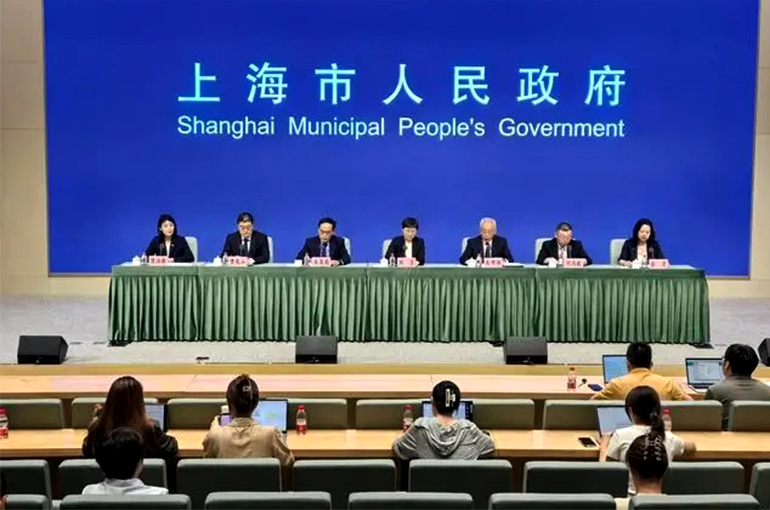
(Yicai) July 31 -- Shanghai has issued new policies to further support innovation in the biomedical supply chain, benefiting the pharmaceutical industry.
The policies released yesterday focus on boosting support for developing innovative medical apparatus and instruments, including speeding up the application of innovative products, encouraging their use in hospitals, increasing payments for such products by medical insurance, and extending help for their global registration and certification.
However, the effect of the new policies will depend on how they are implemented and the macro environment, according to industry insiders.
"Shanghai's new policies are powerful and advanced, which indicates the city's determination to develop the biomedicine industry," a local medical apparatus and instruments entrepreneur told Yicai. "They will likely help it gain a leading position in the industry relying on its advantages."
Shanghai supports the global development of biomedicine and has lured several pharmaceutical manufacturing equipment multinationals. It also supports the development of foreign medical imaging and surgical robot companies and encourages cooperation between innovative firms and multinationals.
The new policies emphasize greatly developing the whole biomedical supply chain, including research and development, production, registration, and marketing, which will benefit local innovative medical device companies and multinationals, a person in charge of a multinational medical device firm's clinical business in China said to Yicai.
The policies overcome difficulties in supply chain innovation, such as the challenge for innovative drugs to enter hospitals and the long waiting time for clinical tests, Zhu Tongyu, deputy dean of Fudan University's Shanghai Medical College, told Yicai. They encourage using innovative products in hospitals, showing that the local government hopes to promote the innovative development of medical apparatus and instruments.
To overcome difficulties in investment and financing in the biomedical sector, the new policies aim to strengthen investment and financing support, cultivate medium- and long-term investors, encourage venture capital, and support firms to grow bigger and stronger via mergers and acquisitions.
The investment life cycle of the medical device industry is generally five to six years, and institutions will not invest if they do not see hope of exiting, an investor said to Yicai. Shanghai's new policies have given hope and may provide some struggling companies with a chance for rebirth, the person added.
"Although the country strongly supports biomedicine, it must be based on a certain market size for the industry to develop," the entrepreneur pointed out. "If the market is not large enough, the industry will not develop as expected no matter how powerful policies are."
Editor: Martin Kadiev





