



 Drug Developers Must Align Early on Clinical Evidence Across China, US, and UK, VasoDynamics Exec Says
(Yicai) Sept. 22 -- Regulatory differences are just one of the issues faced by supportive care medications entering multiple markets, according to the deputy chief medical officer of UK biotechnology company VasoDynamics. The main problem is how clinical benefits are defined.
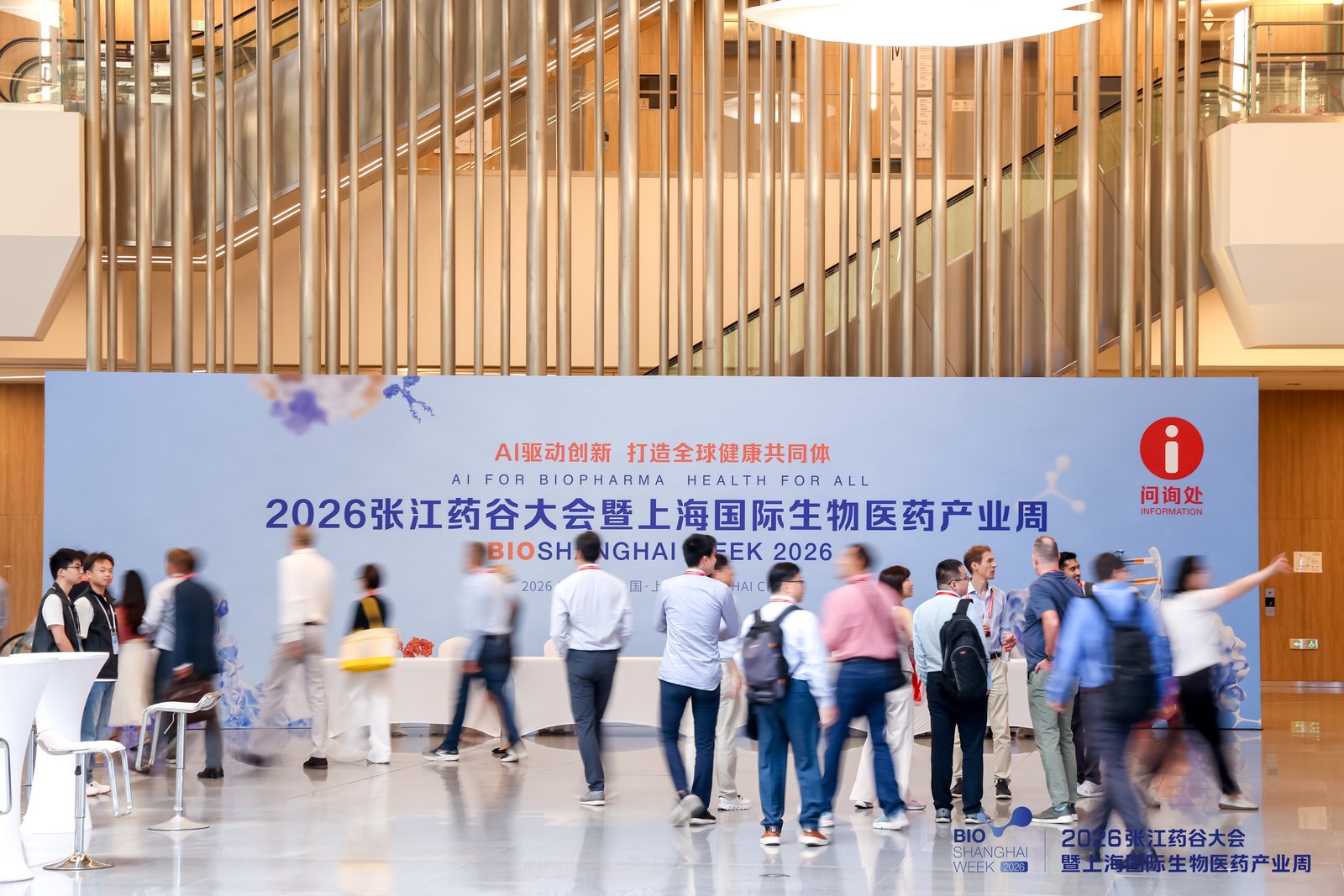
“The hardest problems aren’t regulatory divergence,” Austin Smith told Yicai after BioShanghai Week 2026, which ran from Sept. 17 to 20. “ They’re how you define benefit and what you compare it against.”
What the systems diverge in is what they will let drugmakers rely on. “In the United States, for products built on established molecules, you can rely on the agency's own prior findings," Smith noted, adding that the United Kingdom works on the same principle.
“China has no general equivalent, as the clinical package is yours to generate, and you have to show a marked clinical advantage against standard of care,” he pointed out. “Same molecule, same indication, three different evidentiary shapes. That's a difference in design, not a deficiency in any of them.”
Supportive care treatments are usually judged against the local standard of care, which varies across markets so that the same study may answer a slightly different clinical question in London than in Shanghai, Smith explained. That is why VasoDynamics wants to involve Chinese clinicians while the trial design is still open, rather than when it is looking for trial sites.
"China isn't a late-stage bolt-on for us," he said. “People tend to assume the reason to run there is volume, more patients and faster enrolment, and that's real enough. But in supportive care the clinical question itself changes depending on what patients already have access to, and that's the part worth talking about.”
Many endpoints for such drugs are observed and graded by investigators. “Variation between observers is the biggest single threat to a multiregional dataset, bigger than anything regulatory," Smith noted. VasoDynamics uses one core development program with regional adaptations, and applies independent, blinded central assessment wherever measurements depend on human judgment.
In dealing with Chinese regulators, the first thing to settle is the registration category, as it determines how much evidence a company must generate itself, what protection it can obtain, and whether it qualifies for expedited review, according to Smith.
Market approval and reimbursement run on separate timelines, and the reimbursement case for a supportive care product differs from that for an oncology drug and needs to be built in parallel with registration, Smith said. “Registration gives you the right to sell; reimbursement decides whether that right is worth much.”
For a company of VasoDynamics' size, it makes little sense to build regulatory execution, local quality and supply, and commercial reach in China a second time, he pointed out. That is "where a biopharma partner earns their place," he added.
Smith also recommended that companies put the same question to all regulators in writing and compare the answers. “Where they diverge, that's your development risk, quantified before you've spent anything on it.”
Future parallel scientific advisory meetings between UK and Chinese regulatory agencies could help accelerate multi-center clinical development across borders, he believes.
Founded in Stevenage in 2020, VasoDynamics develops topical formulations based on established vasoconstrictor drugs to prevent skin and mucosal damage caused by radiotherapy and chemotherapy. Its main programs are in early-to-mid-stage clinical development.
Earlier this year, VasoDynamics announced a partnership with Beijing Regitrans Consulting, supported by a domestic pharmaceutical company, to hold a pre-investigational new drugs and biologics meeting with China's National Medical Products Administration on its radiodermatitis product on July 29.
The UK needs to cooperate with other regions, Lawrence Tallon, chief executive of the country’s Medicines and Healthcare Products Regulatory Agency, said at BioShanghai Week 2026, adding that seeking partnerships in China was one reason the agency attended the event.
Editor: Futura Costaglione





