



 More Chinese People Seek Financial Planning to Achieve Independent Retirement, Report Shows
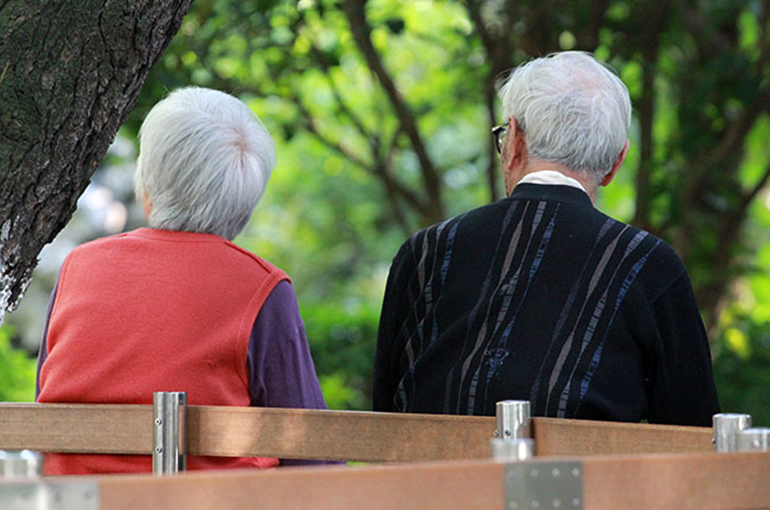
(Yicai) July 1 -- China’s elderly care model is transforming, as family living patterns change. Citizens are now more inclined to achieve independent retirement through more proactive, flexible, and resilient financial planning, while reducing economic reliance on the next generation, according to an industry report.
Eighty-nine percent of the 1,008 Chinese respondents polled by international insurance giant Manulife hope to maintain their independent living status after retirement for as long as possible, with 92 percent of them wishing to be self-sufficient in their later years to avoid becoming a burden on their families.
The Manulife Asia Care Survey 2026 polled a total of 9,132 respondents from nine major markets in Asia. It has been compiled for seven consecutive years.
Over half of Chinese respondents are concerned about the affordability of elderly care, the report showed. As a result, more and more people are moving beyond traditional elderly care that relies on family support and proactively planning for a more independent and longer life by increasing savings, purchasing insurance, and optimizing investments.
Those planning to support their retirement through proactive financial planning are seeking more diversified approaches to enhance security. Fifty percent plan to increase diversified asset allocation, 31 percent to consult professional financial advisors, and 25 percent to expand income-generating investments.
Only 24 percent of respondents hope to rely on financial support from their children after retirement, according to the survey results.
With increasing life expectancy, the duration of care and financial support for the elderly in China will likely reach 21 years and 13 years, respectively, in the future, the Manulife report showed. The percentage of Chinese respondents who do not live with their parents is 14 points higher than the average in Asia, indicating a trend of more dispersed family living arrangements.
Ninety percent of respondents from the Chinese mainland believe that physical and mental health, as well as financial self-sufficiency, are far more valuable than material wealth. The figure compares with the average of 83 percent in Asia.
Editor: Futura Costaglione





